
The Complete Luxury Home Construction Process in Manhattan Beach
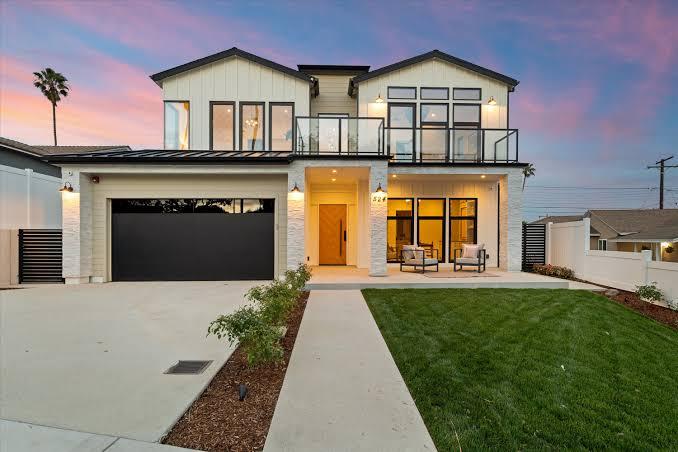
Building a luxury home in Manhattan Beach is one of the most rewarding projects a homeowner can take on. It is also one of the most complex. Between coastal regulations, narrow lots, strict design standards, and high expectations for finish quality, there is very little room for guesswork. Knowing each stage of the process before you start helps you budget accurately, avoid delays, and end up with a home that fits the way you want to live.
This guide walks through the full journey, from the first lot evaluation to the day you get the keys. Whether you own a teardown in the Sand Section, a lot in the Hill Section, or a property near the Manhattan Beach Pier, the steps below will help you set realistic expectations.
Why Manhattan Beach Is a Unique Place to Build
Manhattan Beach is a small, tightly regulated coastal city with some of the highest land values in Los Angeles County. Lots are often compact, many homes sit close to neighbors, and the city enforces height limits, setbacks, and design review standards that shape what you can build. Coastal zone rules can add another layer of review for properties near the water.
Because of this, hiring an experienced luxury home builder in Manhattan Beach is not just a convenience. It is one of the most important decisions in the entire project. A builder who knows local permitting, inspectors, and neighborhood expectations can save you months of back-and-forth and thousands of dollars in avoidable changes.
Step 1: Evaluating the Lot and Defining Your Vision
Every great home starts with a clear understanding of the land. Before any design work begins, a thorough lot evaluation should cover:
-
Lot size, shape, and orientation
-
Zoning, height limits, and setback requirements
-
Soil conditions and groundwater levels
-
Existing utilities, easements, and access
-
View corridors and sun exposure
In Manhattan Beach, soil and groundwater matter more than many buyers realize, especially near the beach where basements, pools, and deep foundations require careful engineering.
At the same time, define what you want from the home. How many bedrooms do you need? Do you want an elevator, a rooftop deck, a home theater, or a wellness suite? Is indoor-outdoor living a priority? The clearer your vision, the more accurate the early budget and design will be.
Step 2: Setting a Realistic Budget
Luxury construction budgets in Manhattan Beach go well beyond the cost of materials and labor. A complete budget should include:
-
Design and architectural fees
-
Engineering and soil reports
-
City permits and impact fees
-
Demolition, if you are replacing an existing home
-
Construction costs
-
Landscaping, pool, and hardscape
-
Interior finishes, lighting, and smart home systems
-
A contingency reserve, typically 10 to 15 percent
That contingency matters. Even on well-managed projects, unexpected site conditions or owner-requested upgrades can appear along the way. A transparent builder will walk you through these numbers early and update you as selections are made.
Step 3: Assembling Your Team
A luxury custom home is built by a team, not a single person. The core group usually includes:
-
A luxury home builder who manages the entire project, schedule, and subcontractors
-
An architect who designs the home and prepares plans
-
A structural engineer who ensures the home is safe and code compliant
-
A geotechnical engineer who evaluates soil and foundation requirements
-
An interior designer who coordinates finishes, fixtures, and layout details
Many homeowners find that bringing the builder in during the design phase, rather than after plans are complete, produces better results. The builder can flag cost and constructability issues early, which prevents expensive redesigns later. Companies like Reeland Investments work with clients from the early planning stages so that design decisions and budget decisions stay aligned.
Step 4: Architectural Design and Planning
Design is where your vision becomes a set of detailed drawings. This phase typically moves through several stages: concept design, schematic design, design development, and construction documents.
In Manhattan Beach, popular luxury design directions include modern coastal, contemporary Mediterranean, and clean-lined modern farmhouse styles. Large glass walls, open floor plans, rooftop decks, and covered outdoor living areas are in high demand because they take advantage of the coastal climate.
Take your time here. Changes made on paper are inexpensive. Changes made after framing begins can be costly and slow the schedule significantly.
Step 5: Permitting and City Approvals
Permitting is often the least visible but most time-consuming part of the process. Your plans must be submitted to the City of Manhattan Beach for review, and depending on the property, additional approvals may be needed. These can include design review, coastal development permits, or review of grading and drainage plans.
Plan reviewers may request corrections, which means plans go back to the architect and engineers for revisions before approval. This back-and-forth is normal, but an experienced builder who understands the city’s expectations can reduce the number of review cycles.
Build realistic timing into your expectations. Permitting can take several months, and rushing it rarely helps.
Step 6: Site Preparation and Demolition
Once permits are issued, work begins on the ground. If there is an existing home, it is demolished and the site is cleared. Responsible demolition includes utility disconnections, hazardous material checks, debris recycling, and protection of neighboring properties.
In dense neighborhoods like Manhattan Beach, site logistics are a real challenge. Street parking is limited, access can be tight, and neighbors are close. A professional builder manages noise, dust, deliveries, and parking so the project runs smoothly and maintains good relationships on the block.
Step 7: Excavation, Foundation, and Structural Work
The foundation is the backbone of your home. Depending on soil conditions and design, this stage may involve deep footings, retaining walls, shoring, or waterproofed basement construction. Properties near the coast often require specialized waterproofing and drainage systems to handle groundwater.
After the foundation cures and passes inspection, framing begins. This is the stage where the home finally takes shape. Floors, walls, stairs, and rooflines appear, and you can start to experience the scale and layout in person. Structural elements such as steel beams, large glass openings, and rooftop deck framing are installed with careful attention to engineering requirements.
Step 8: Mechanical, Electrical, and Plumbing Systems
Once the frame is up, the systems that make the home function are installed behind the walls. This includes:
-
Electrical wiring and panel systems
-
Plumbing supply and drainage
-
Heating, ventilation, and air conditioning
-
Low-voltage wiring for audio, security, and networking
-
Smart home infrastructure
Luxury homes today often include whole-home automation, energy-efficient HVAC systems, solar-ready wiring, and EV charging. Planning these systems carefully before walls close saves you from expensive retrofits later.
Each system must pass inspection before the walls are insulated and covered, so this phase involves close coordination between trades and city inspectors.
Step 9: Insulation, Drywall, and Exterior Finishes
After rough inspections are approved, insulation goes in, followed by drywall and exterior cladding. Manhattan Beach’s coastal environment calls for materials that stand up to salt air, moisture, and sun exposure. Quality windows, durable siding, and properly installed waterproofing details protect your investment for decades.
This is also when the exterior personality of the home becomes clear. Stucco, wood, stone, metal accents, and large-format glass all come together to form the final look.
Step 10: Interior Finishes and Custom Details
This is the stage most homeowners look forward to. Flooring, cabinetry, countertops, tile, lighting, doors, hardware, and paint are installed, and the home begins to feel finished.
Luxury finishes often involve long lead times, especially for custom cabinetry, imported stone, specialty lighting, and designer plumbing fixtures. Making selections early keeps the schedule on track. A skilled luxury home builder in Manhattan Beach tracks these orders carefully so that delays do not stall the project.
Quality craftsmanship shows in the small details: tight tile lines, seamless trim, perfectly aligned cabinetry, and clean transitions between materials. This is where experienced finish carpenters and subcontractors make the biggest difference.
Step 11: Landscaping, Pools, and Outdoor Living
In a beach community, outdoor space is not an afterthought. It is an extension of the home. Many Manhattan Beach homeowners invest in:
-
Swimming pools and spas
-
Outdoor kitchens and dining areas
-
Fire features and lounge seating
-
Rooftop decks with ocean views
-
Drought-tolerant landscaping and privacy hedging
Because lots are often small, smart design matters. Creative use of vertical space, courtyards, and rooftop areas can create generous outdoor living even on a compact footprint.
Step 12: Final Inspections and Walkthrough
When construction is complete, the city performs final inspections to confirm that the home meets code and matches approved plans. Once the home passes and a certificate of occupancy is issued, you can move in.
Before that day, your builder should conduct a detailed walkthrough with you. Together you will create a punch list of any small items that need adjustment, such as paint touch-ups, hardware alignment, or minor repairs. A reputable builder will resolve these items promptly and walk you through how to operate and maintain all major systems.
How Long Does the Whole Process Take?
Timelines vary by project size, complexity, and permitting. As a general guide, many luxury custom homes in Manhattan Beach take roughly 18 to 30 months from the first design meeting to move-in. Design and permitting often take 6 to 12 months, while construction itself commonly runs 12 to 18 months or more for larger and more detailed homes.
Weather, material availability, city review times, and owner changes can all affect the schedule. Clear communication and early decisions are the best ways to keep things moving.
Choosing the Right Luxury Home Builder in Manhattan Beach
The builder you choose shapes everything from your budget to your stress level. When comparing candidates, look for:
-
A proven track record with high-end custom homes
-
Deep knowledge of Manhattan Beach codes and permitting
-
Transparent pricing and clear communication
-
Strong relationships with architects and trusted subcontractors
-
Licensing, insurance, and positive client references
-
A portfolio that matches the quality you expect
Reeland Investments focuses on luxury residential construction along the California coast, helping homeowners move through each phase with clarity and confidence. Choosing a team that treats your project as a long-term partnership, not just a contract, makes the entire experience smoother.
Frequently Asked Questions
1. How much does it cost to build a luxury home in Manhattan Beach?
Costs vary widely based on size, design, and finishes, but luxury custom construction in Manhattan Beach is among the most expensive in the country. Construction alone often ranges from several hundred to over a thousand dollars per square foot, not including land, design fees, and permits. A detailed estimate from a qualified builder is the only reliable way to understand your specific budget.
2. Do I need an architect to build a custom home?
Yes, in almost all cases. A licensed architect prepares the plans required for permitting and helps translate your ideas into a buildable design. Many luxury builders collaborate closely with architects to keep design and cost aligned.
3. Can I build a basement in Manhattan Beach?
Often yes, but it depends on soil conditions, groundwater levels, and local rules. Basements near the coast require specialized waterproofing and engineering, so a geotechnical report is essential before committing to the design.
4. How long does it take to get permits approved?
Permitting can take several months, depending on the complexity of the project and whether additional reviews, such as coastal approvals, are required. Complete and accurate plans help reduce review cycles.
5. Is it better to remodel or build new in Manhattan Beach?
It depends on the existing structure. Many homeowners choose to rebuild because older homes may have outdated layouts, limited space, or structural issues that make a major remodel expensive. A new build offers full design freedom, modern systems, and better energy efficiency.
6. What makes a good luxury home builder in Manhattan Beach?
Look for local experience, strong references, transparent communication, and a portfolio of high-end work. Your builder should be comfortable managing tight lots, coastal conditions, and the city’s approval process.
Final Thoughts
The luxury home construction process in Manhattan Beach is a detailed, multi-stage journey, but it does not have to feel overwhelming. When you understand each step, from lot evaluation and design to permitting, construction, and final walkthrough, you can plan with confidence and make better decisions along the way.
If you are ready to start building, partnering with a trusted luxury home builder Manhattan Beach like Reeland Investments can help you turn your vision into a beautifully built home that fits the coastal lifestyle you want.

 Arabic
 French
 Spanish
 Portuguese
 Deutsch
 Turkish
 Dutch
 Italiano
 Russian
 Romaian
 Portuguese (Brazil)
 Greek