How Block Blast Turned Into My Unexpected Obsession
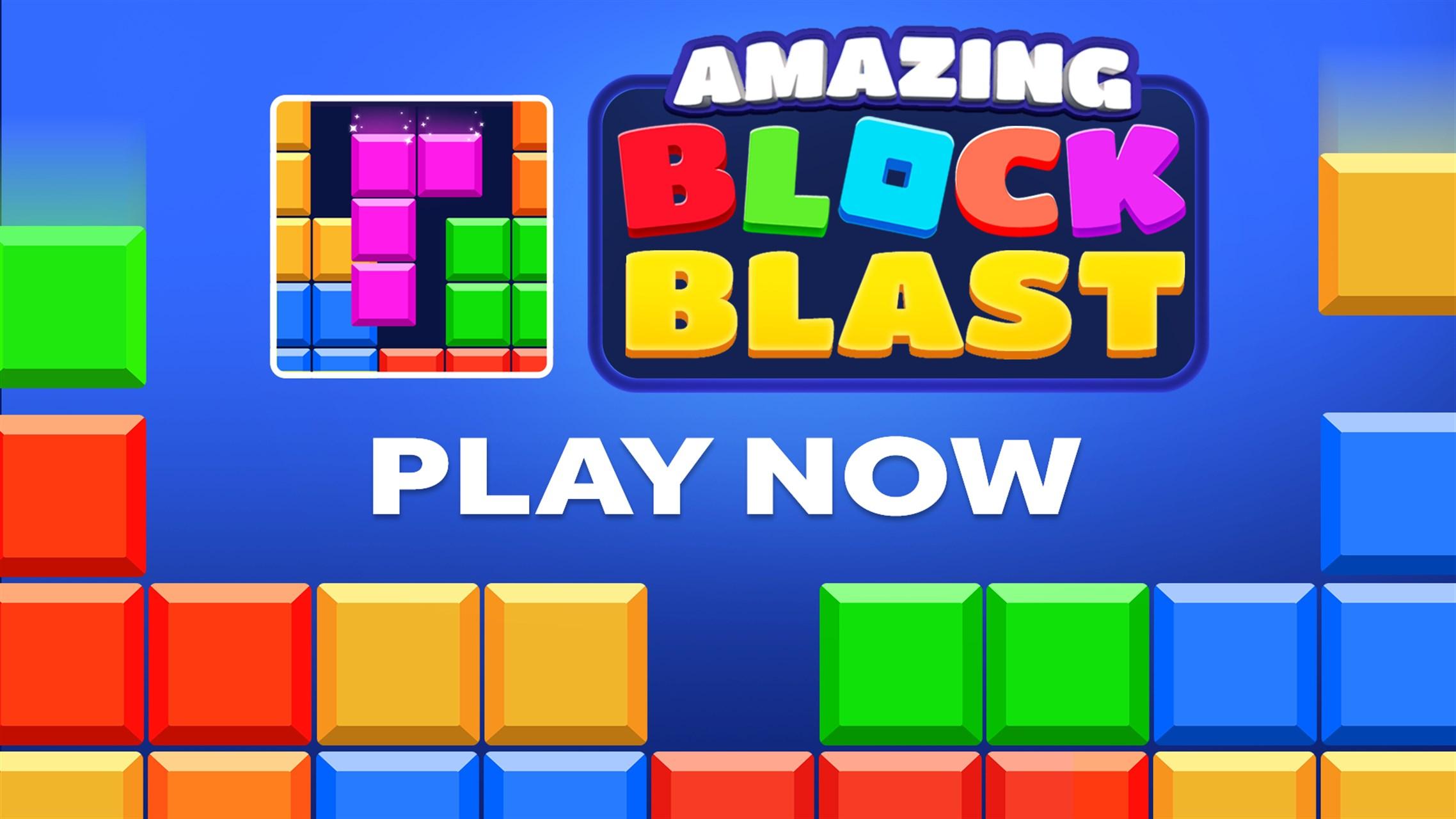
I found Block Blast on a random Tuesday when I was looking for something quick to play between tasks. You know, the kind of game where you can tell it's going to be easy because the premise is so straightforward: drag blocks onto a grid, fill up rows and columns, watch them disappear. Simple, right?
Except it wasn't.
The First Round Felt Easy (Spoiler: It Wasn't)
My first game was this weird confidence boost. The board was huge and empty, pieces were flying onto the grid without problem, and I was clearing rows left and right. I thought I'd figured out Block Blast in about five minutes. I was wrong, but I didn't know it yet.
Then something happened. The board started getting crowded. Not overwhelmingly full, but crowded enough that I couldn't just slam pieces down wherever. Suddenly, I was sitting there staring at a block shape, looking at my board, and thinking way harder than I expected to about a puzzle game.
The thing that caught me off guard was how important spacing became. I'd place something that seemed fine in the moment, then realize I'd just created this awkward little gap that nothing else could fill. It felt like the board was ganging up on me, and I'd only played myself.
Where Pieces Go Matters More Than It Looks
After a few rounds of getting stuck, I started paying attention to what the game actually wanted from me. The blocks come in different shapes, and you get a set to work with before placing the first one. I realized I needed to look at all the pieces I had available—not just grab the easiest one to place.
It sounds obvious when you say it out loud, but it's different when you're playing. I'd see a spot that looked perfect for one block, place it, then immediately wish I'd saved that space for something else. And since Block Blast doesn't use a timer, I could spend as much time as I wanted thinking about it, which somehow made my bad decisions even more frustrating because I had no excuse.
The real shift came when I stopped trying to clear lines constantly and started actually planning. Instead of looking for the next obvious move, I'd think about what pieces were coming up and whether my current placement would box me in later. It made runs last way longer, and it actually felt good when one placement cleared multiple rows at once because it meant I'd done something right.
Accidentally Creating My Own Problems
I learned pretty quickly that keeping the board open is actually harder than it sounds. I'd get excited about clearing something and not think about whether I was leaving usable space for future pieces. Then I'd end up with this big empty area next to a small, unreachable gap, and it would just mock me from the board.
The worst part was realizing how much that first decision mattered. Pieces can't be rotated, so you work with what you get. If I wasted a prime piece on something that seemed important but wasn't, the rest of the run would suffer because of it. It's like those moments in strategy games where you realize three moves ago is what actually messed you up.
The No-Timer Thing Changed Everything
One thing I genuinely appreciate is that there's no countdown clock. I know that sounds like a small detail, but it's actually huge for how the game feels. No stress, no panic when the board gets tight. I can sit there for as long as I want looking at the grid, thinking about placement, second-guessing myself. It turns Block Blast into something you play at your own pace rather than something that plays against you.
This is probably why I kept hitting "play again" so many times. There's no pressure to rush, which somehow made me want to play better instead of just survive.
A Few Things I Learned (By Messing Up)
The biggest realization was that open space is worth more than clearing a line. Sounds backward, but it's true. I'd pass up a clear because sacrificing the space for it would leave me in a worse position down the road.
I also stopped playing corner blocks as quickly. They seem like dead weight at first, but there's a reason they're tricky—you have to know where they're going before you place them, because fixing a corner mistake is nearly impossible.
And honestly, I should've just accepted early on that Block Blast is one of those games where you need to think a few moves ahead. I wasted plenty of runs being stubborn about instinct.
Come Play and Tell Me How You Do
If you haven't tried Block Blast yet, it's sitting right there waiting for you on Block Blast . No download, no sign-up, just a browser game that looks simple until it suddenly isn't.
Play a few rounds, and I bet you'll get the same feeling—that moment where you realize you spent way too much time thinking about where one block should go, and somehow you're starting another game anyway. If you do, let me know how it goes. And maybe we can compare notes on who can keep their board cleaner longer.

 English
 Arabic
 French
 Spanish
 Portuguese
 Deutsch
 Turkish
 Dutch
 Italiano
 Russian
 Romaian
 Portuguese (Brazil)